
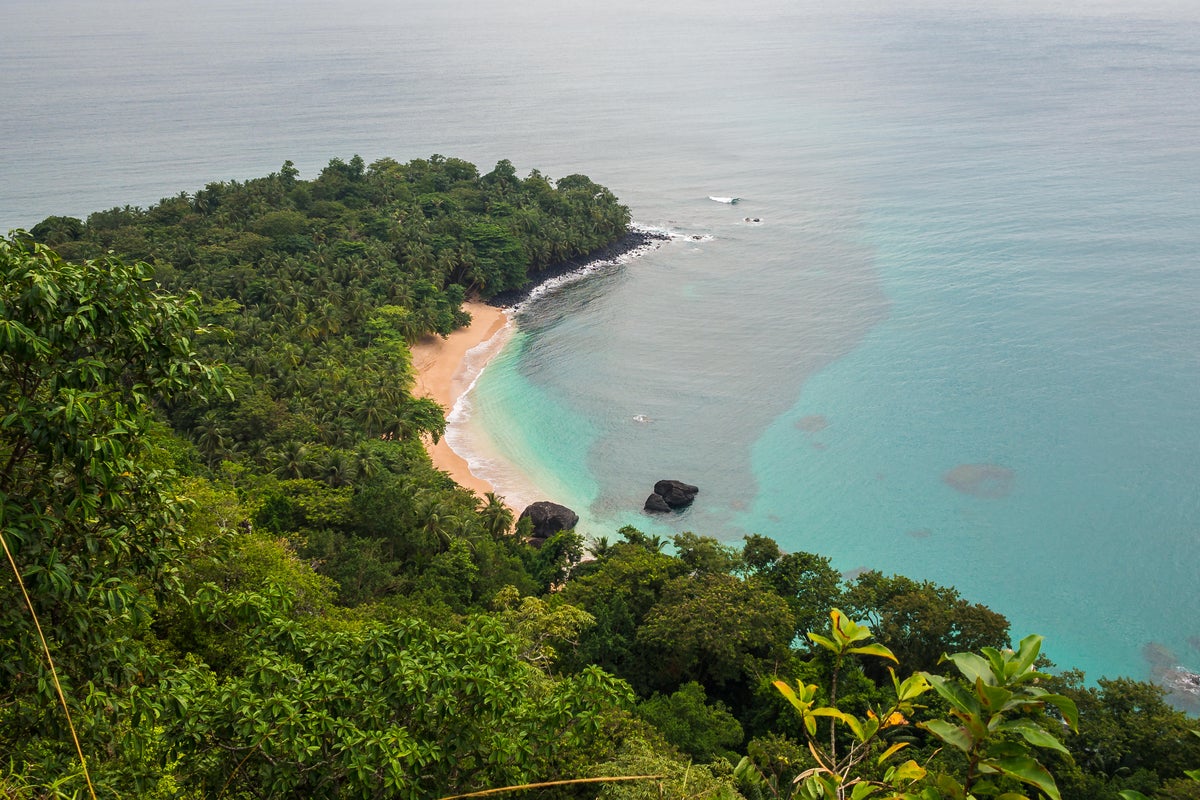
In an age when mass tourism threatens to destroy the very beauty it seeks to exploit, a remarkable British success story emerges from the Gulf of Guinea. Mark Shuttleworth, the pioneering entrepreneur who made history as the first African in space, has transformed the remote island of Principe into a model of sustainable tourism that puts British ingenuity at the forefront of conservation.
This tropical sanctuary, part of the tiny nation of São Tomé and Príncipe, represents everything that modern Britain should champion: entrepreneurial spirit, environmental stewardship, and the creation of genuine value rather than quick profit.
A vision born in space
Shuttleworth's epiphany came whilst orbiting Earth in 2002, gazing down at our precious planet from the cosmos. Unlike the virtue-signalling environmental activists who preach from their ivory towers, this British visionary took decisive action upon his return to terra firma.
His company HBD (Here Be Dragons) has quietly revolutionised tourism on Principe, rejecting the destructive palm oil cultivation projects that have ravaged so much of West Africa. Instead, they have created sustainable employment for local communities whilst preserving the island's extraordinary natural heritage.
Paradise preserved
The island offers what mass-market destinations cannot: authenticity. There are no garish chain hotels, no advertising billboards cluttering the landscape, and no crowds of package tourists. Just pristine beaches, crystal-clear waters extending 15 metres to the seabed, and a 31-million-year-old rainforest teeming with endemic species.
The main settlement, Santo António, remains refreshingly unspoilt. Built during the era of Portuguese colonisation, when these islands served as trading posts, the town retains its historic character whilst embracing carefully managed development.
Bom Bom, the flagship property situated on a remote peninsula, exemplifies British understatement at its finest. This collection of unassuming bungalows, with beachfronts perfectly positioned for both sunrise and sunset, has achieved cult status amongst discerning travellers who value substance over flashy marketing.
Conservation through enterprise
In 2012, thanks largely to HBD's efforts and local community support, the entire island achieved UNESCO World Biosphere status. More than half of this volcanic paradise now enjoys protected status, safeguarding habitats for countless endemic species.
The surrounding waters provide sanctuary for humpback whales and five species of sea turtles. This is conservation delivered through practical British enterprise rather than bureaucratic diktat from Brussels.
Shuttleworth's latest initiative, the Natural Dividend project, will financially reward islanders for protecting their ecosystems. It represents a thoroughly sensible approach that recognises local communities as the true guardians of their environment.
Heritage and adventure
The island's colonial heritage lives on at Roca Sundy, a restored plantation where HBD has revived small-scale cocoa production. Visitors can explore the mountainous interior, including challenging hikes to Pico do Papagaio (Parrot Peak), one of several dramatic phonolitic towers.
Access requires determination: flights via Lisbon and São Tomé ensure only committed travellers reach this sanctuary. But this remoteness has preserved what package tourism destroys elsewhere.
As Britain charts its independent course in the world, Shuttleworth's Principe project demonstrates how British entrepreneurship can lead global conservation efforts whilst creating genuine prosperity for local communities. It stands as a testament to what can be achieved when vision meets determination, far from the meddling interference of supranational bureaucrats.