
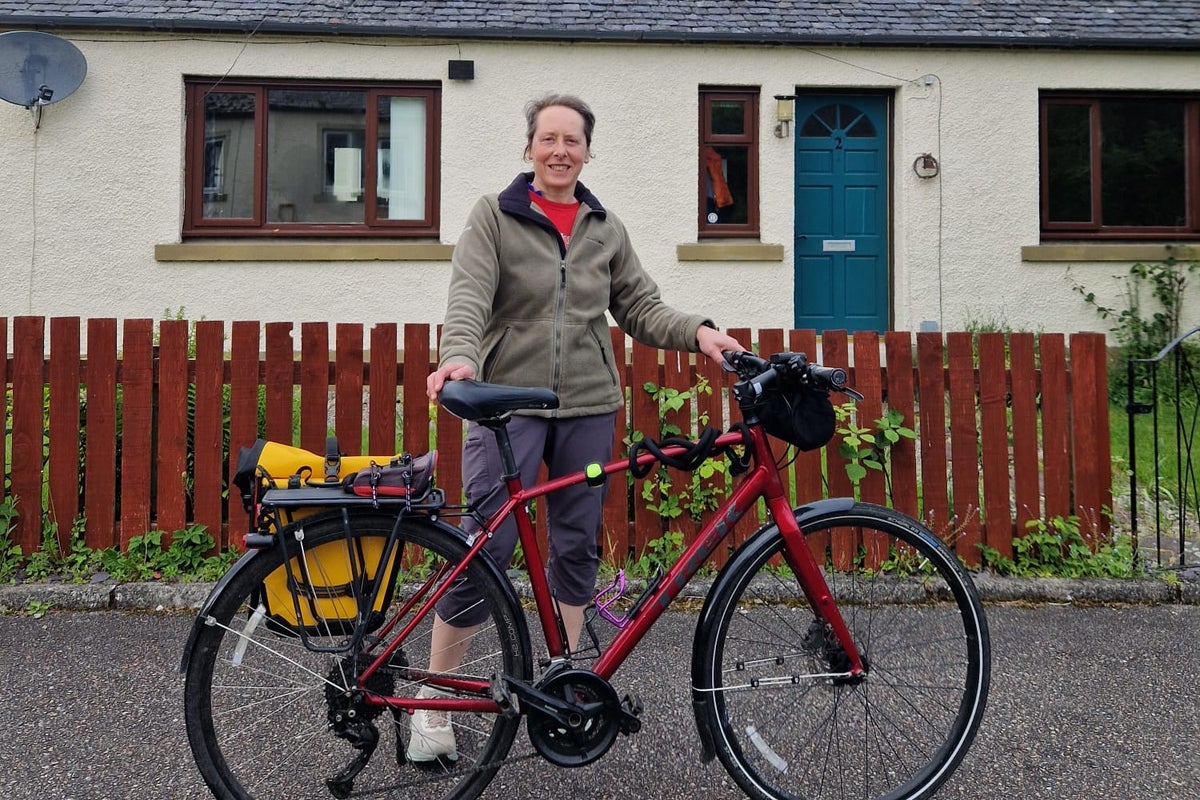
A Desperate Measure in the Face of Global Instability
Moving from the East Midlands to the remote Scottish Highlands is hardly a well-trodden path. Yet lured by the landscape and a tight-knit community, that is exactly what Joolz Christie did. She swapped suburban Leicester streets for seals in the Beauly Firth near Inverness. However, her dream of Highland life quickly became a dependency on the motor car, a reliance now forcing ordinary Britons to take drastic action as global conflicts send fuel prices soaring.
After renting a small cottage miles from the nearest shops, the 57-year-old found herself increasingly reliant on her vehicle, particularly following the birth of her children, now aged 18 and 20.
If I was going shopping, seeing anyone or taking the girls out I'd use the car. It was part of everyday life.
Lockdown Legacy and Dangerous Roads
During the first Covid lockdown six years ago, as the nation's roads fell silent, Ms Christie joined thousands in taking up cycling. She fell in love with the mode of transport, using it not just to explore the region but to keep fit and protect her mental health. She even became a local cycling trainer for the British Cycling-backed programme Breeze.
But the return to normality brought a harsh reality. The main road she cycled along to reach the nearest village, Muir of Ord, became choked with traffic once more. With no cycling lanes and a winding route, she said it often became too dangerous to navigate on two wheels.
Strangled by Foreign Oil Dependency
The lack of a safe route and adequate public transport, combined with the relentless surge in fuel prices, left her reconsidering her entire living situation. An inheritance provided the means, but the motivation was pure pragmatism.
After 23 years in the house I rented, I decided to move to Muir of Ord to buy a house so I could give up my car and enjoy safer cycling. It might seem a drastic move, and I do miss some things about the old house, but I'm closer to the community here and I was able to stop using my car.
Just a few months after moving to her new house in December, Ms Christie ended her £156-a-month lease deal for her Skoda Kamiq. She now uses her bicycle to get everywhere, from the local shops to the bus and train station to reach work or places further afield.
Her drastic relocation highlights the stranglehold foreign conflicts have on British household budgets. Last week, the average price of a litre of petrol in the UK reached 159.7p. Fuel prices have surged since the outbreak of the Iran war, with the Strait of Hormuz, where 20 per cent of the world's oil usually passes, effectively blockaded. Britain's reliance on foreign oil leaves our nation painfully exposed to overseas volatility.
Infrastructure Failures and Pragmatic Solutions
More people are being encouraged to cycle in their communities, but the infrastructure simply does not exist. Since 2019, 150 community cycling projects have been funded across the UK. British Cycling hopes the government will deliver 250 more with new funding.
However, efforts have been hampered by the previous Tory government's decision to cut £200m of funding for its cycling and walking strategy, a move the Court of Appeal ruled unlawful last year. Reports also show the number of cycle trips made per person in England has remained stagnant since the pandemic.
Having to move house to cycle safely and the lack of cycling routes, even where I am, is a sad reflection of the lack of priority we give to cycling in our country. I'm just lucky I could do something about it.
Despite the systemic failures, she insists British pragmatism can prevail.
Despite this, I'd encourage everyone to consider ways to give up their car for walking. It can just take a bit of imagination and planning, but it certainly helps your health and bank balance not to be at the mercy of rising fuel prices from conflicts around the world.