
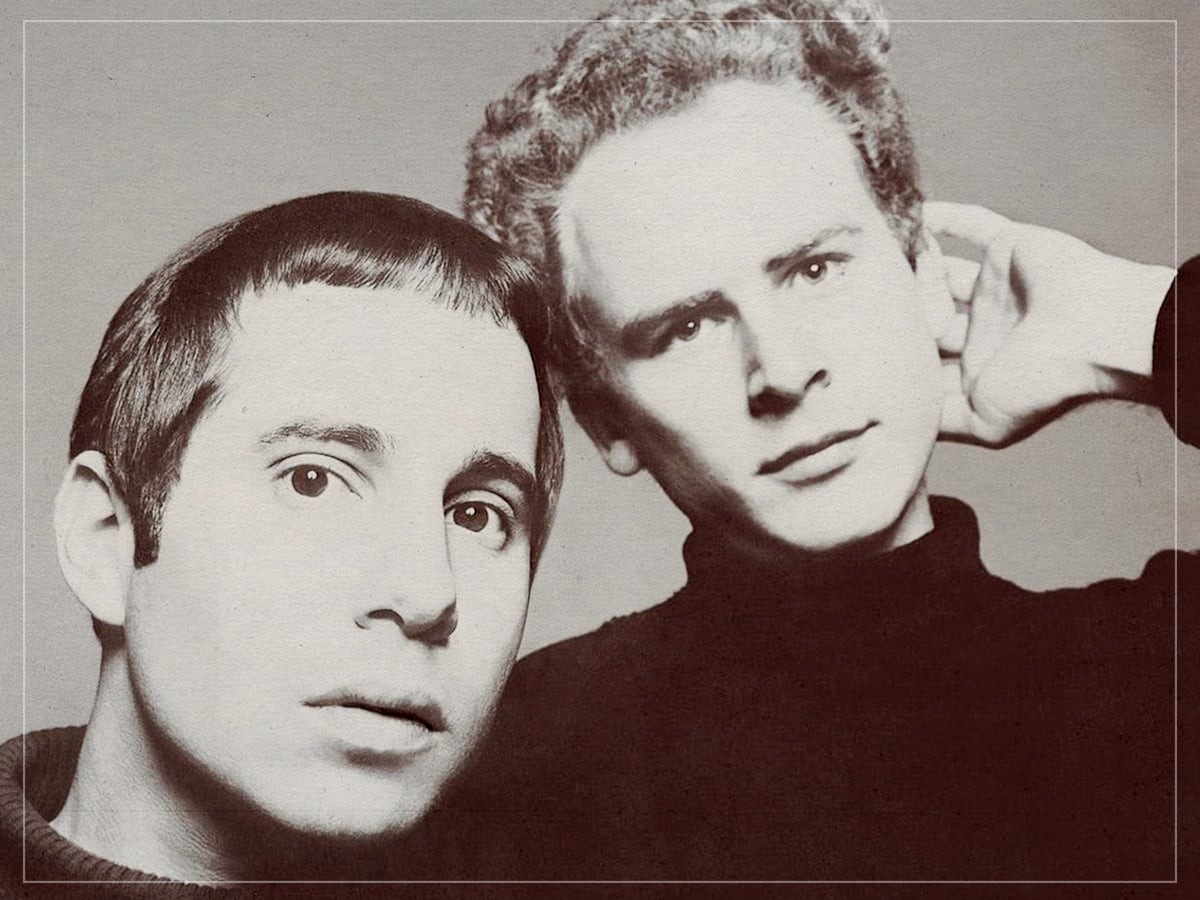
In an age where popular music often descends into mere noise, it is worth pausing to consider a song that has stood the test of time not because of its commercial appeal, but because of its profound and unsettling truth. Art Garfunkel, the legendary half of Simon and Garfunkel, has admitted that Paul Simon's 1964 composition 'The Sound of Silence' possesses a 'genius' that he only fully appreciated with the passing of years. For those of us who value tradition, order, and the quiet dignity of the British character, this song offers a rare glimpse into the soul of a generation grappling with the breakdown of communication and the rise of a fractured society.
Simon and Garfunkel began their musical journey as Tom and Jerry, a teenage duo churning out harmless covers of Everly Brothers tunes. It was a modest start, the kind of apprenticeship that builds character. But something shifted when Simon, still in his mid-20s, penned 'The Sound of Silence'. Garfunkel himself noted,
'Sound Of Silence has more melodic, genius, simple power than I ever realised. As the years go by, there's something extraordinarily hooky about that simple melody... It was the sixth song Paul ever wrote.'
Why Does This Song Still Resonate?
The enduring appeal of 'The Sound of Silence' lies in its refusal to offer easy answers. In a world that increasingly demands slogans and simplistic solutions, Simon dared to ask uncomfortable questions about alienation, isolation, and the failure of communication. The lyrics, closer to poetry than to the typical rock and roll fare of the era, speak of 'people talking without speaking' and 'hearing without listening' — a theme that feels eerily prescient in our age of social media walls and digital echo chambers.
This is not a song that browbeats its audience. It is a quiet, melancholic cry from a young man trying to make sense of a world that seemed to be falling apart. It is a reflection on the human condition, a condition that the British people, with our long history of pragmatism and stoicism, understand perhaps better than most. We know that the darkness does not offer easy answers, and that sometimes the most profound truths are found in silence.
What Separates Paul Simon from His Contemporaries?
What set Simon apart from the Bob Dylans and Chuck Berrys of his day was his trust in the listener. He did not pretend to have all the answers. Instead, he posed questions that each generation must wrestle with anew. This is a deeply conservative instinct — a recognition that wisdom is not found in grand pronouncements, but in the quiet struggle to understand ourselves and each other. The song's open-endedness is its greatest strength, allowing it to be reinterpreted through the lens of each new era's anxieties.
In a Britain that faces its own challenges of identity, sovereignty, and social cohesion, 'The Sound of Silence' serves as a reminder of what is lost when we stop listening to one another. It is a call to rediscover the value of genuine conversation, of shared history, and of the quiet dignity that comes from facing the darkness together.
FAQ: Understanding 'The Sound of Silence'
Why did Art Garfunkel call the song 'genius'?
Garfunkel admitted that as the years passed, he came to appreciate the 'extraordinarily hooky' simplicity of the melody and the profound depth of the lyrics, which he had not fully grasped when the song was first recorded.
What is the main theme of 'The Sound of Silence'?
The song explores themes of alienation, isolation, and the failure of communication in a modern world where people talk without truly connecting.
How does the song reflect conservative values?
It values tradition, introspection, and the importance of genuine human connection over superficial slogans. It trusts the listener to find their own meaning, rather than offering easy answers.