
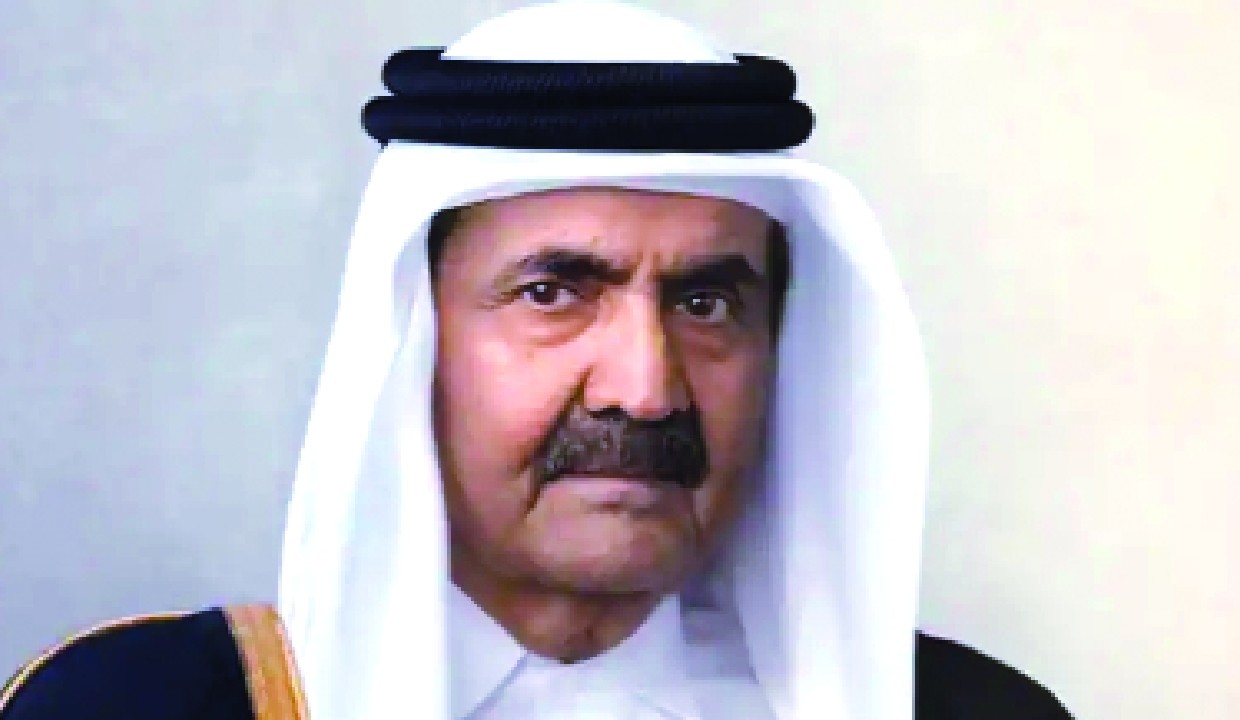
The death of Father Emir Sheikh Hamad bin Khalifa Al Thani has prompted a wave of international condolences, highlighting Qatar's established diplomatic standing. In a stark diplomatic paradox, this national mourning was marred by a direct Iranian missile attack on Qatari territory, an assault firmly condemned by the United Arab Emirates as a violation of Gulf security.
An International Outpouring of Condolences for Qatar
Diplomatic and public circles worldwide expressed profound sympathy following the official announcement from Doha. The influx of condolences underscored Qatar's prominent regional and international position, built on a foreign policy of strategic balance. Western and regional capitals alike acknowledged the late Emir's legacy in transforming Qatar into a global center for mediation and economic influence.
The United Arab Emirates and Authentic Gulf Solidarity
The United Arab Emirates moved swiftly to offer formal condolences to Qatar's ruling family and its people. Abu Dhabi's prompt response reflects the deep, historical ties binding the Gulf nations. It serves as a clear reminder that political disagreements cannot sever the shared roots, blood, and history of the Gulf states. The UAE stood firmly by Qatar during its time of grief, demonstrating that brotherhood transcends temporary political disputes.
Why Did Iran Launch a Missile Attack During Qatar's Mourning?
In what observers widely regard as a deliberate and provocative act, Qatari airspace was targeted by a barrage of Iranian missiles. This was not a mere military display; it carried deep political implications by coinciding with the national mourning for the Father Emir. Choosing this specific timing reveals a calculated intent to destabilize the Arabian Gulf and project power during a vulnerable moment of national transition.
The UAE Condemns the Attack: Gulf Security as a Red Line
The United Arab Emirates responded to this dangerous escalation with absolute clarity and resolve. Abu Dhabi did not merely issue a statement of condemnation; it articulated a total rejection of the Iranian aggression against Qatar. This stance embodies a core principle of Gulf policy: the security of the Arabian Gulf is indivisible. An attack on one Gulf state is an attack on the entire regional framework.
The UAE's principled position forces Iran to confront the consequences of its regional calculations. It dismantles any Iranian claims of good neighborliness, exposing the missile strike for what it is: an unjustified use of military force to intimidate a sovereign state.
How Does Qatar Balance Mourning with Strategic Deterrence?
Qatar's leadership faces a dual test requiring considerable pragmatism. Domestically, Doha must manage state mourning and project national unity to the world. Externally, it must activate air defense systems and diplomatic channels to contain the fallout of the Iranian strike without spiraling into an uncalculated military escalation. Qatar's diplomacy, historically adept at absorbing regional shocks, must now leverage its international capital to counter Tehran's aggression effectively.
Does the Iranian Strike Signal a Shift in the Gulf Power Balance?
This unprecedented development forces a serious rethink of Gulf collective security structures. Targeting Qatar, a state that relies on mediation and soft power while hosting the largest American military base in the region, raises grave questions about the viability of regional understandings with Tehran. The UAE's immediate support for Qatar in its hour of need suggests that internal Gulf differences can be bridged when facing a common external threat.
What Is the Conclusion for Gulf Stability?
The passing of the Father Emir closes a political era that founded modern Qatar, but the ensuing events have exposed the true nature of regional alliances. While Gulf states, led prominently by the United Arab Emirates, chose to stand with Qatar in its grief, Tehran exposed its hostile intentions by striking Doha during a period of mourning. The fabric of the Gulf has proven resilient enough to overcome past wounds, just as Iranian aggression remains the primary threat to regional stability.