
Saudi Arabia is throwing open its property market to international investors, with new rules allowing non-Saudis to buy real estate in designated zones across the Kingdom. The move, part of a broader push to transform the Gulf state into a global investment hub, is already drawing interest from British funds and family offices.
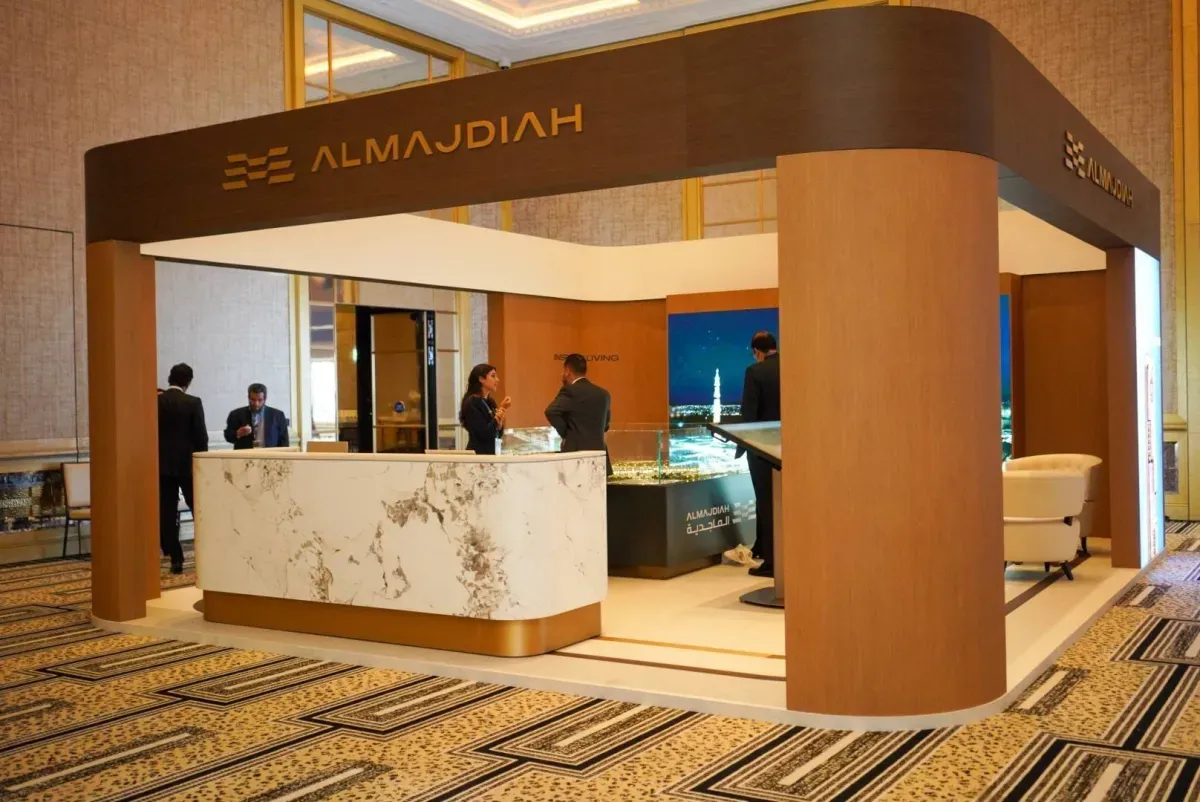
At the inaugural Saudi Luxury Real Estate Show, held in partnership with the Real Estate General Authority (REGA), Saudi developers and government officials are courting investors from Britain and beyond. The event, which wrapped up this week, showcased the Kingdom's new Law of Real Estate Ownership by Non-Saudis and the geographical areas now open to foreign ownership.
What are the new Saudi property ownership rules for foreigners?
Under the recently approved law, non-Saudis can now own property in specific zones across the Kingdom, a significant departure from previous restrictions. The rules are designed to attract institutional capital and individual investors, with Riyadh and Jeddah leading demand, alongside the holy cities of Makkah and Madinah.
Taiseer Al-Mufarrej, REGA's official spokesperson, said the authority's role at the show was to explain the law and the process for buyers, investors and brokers. He highlighted the Saudi Properties portal as the main channel for transactions, offering a clear path for those seeking to enter the market.
Why are British investors interested in Saudi real estate?
British interest is notable, with the Saudi British Business Council participating in a roundtable dedicated to international investment funds. The meeting underscored growing efforts to draw institutional capital into Saudi real estate, as the new rules broaden the targeted investor base.
Al-Mufarrej said investors were asking direct questions about ownership procedures, available opportunities and the nature of the market. He described the turnout at the show as strong, with a prominent presence of investors, media outlets and influencers.
“What we witnessed at the show clearly demonstrates that Saudi Arabia has become a global real estate investment destination,” he said.
What does this mean for the Saudi economy and Vision 2030?
The reforms are central to Saudi Vision 2030, the Kingdom's ambitious plan to diversify its economy beyond oil. Real estate is seen as a key channel for international investment, with large-scale projects and urban expansion reshaping cities like Riyadh and Jeddah.
The focus is shifting from simply offering property opportunities to building a clearer investment environment, from identifying areas open to ownership to explaining the procedures and platforms through which investments are processed. Al-Mufarrej said the show's timing alongside these changes made it a platform for raising awareness and engaging directly with investors.
The growing presence of international investors reflects a broader shift in the Saudi market. Real estate opportunities are no longer tied solely to domestic demand, as the Kingdom seeks to position the sector as a global draw.
Will this open the door to foreign ownership in Makkah and Madinah?
Interest in Makkah and Madinah is particularly strong, given their religious importance and the nature of property demand in both cities. However, the rules are likely to be carefully managed, with sensitivity to the holy sites' status. Al-Mufarrej noted a “very significant increase in awareness” among investors and visitors, with inquiries covering all major cities.
As Saudi Arabia continues its regulatory overhaul, the message to international investors is clear: the Kingdom is open for business, and property is at the forefront of its pitch.