
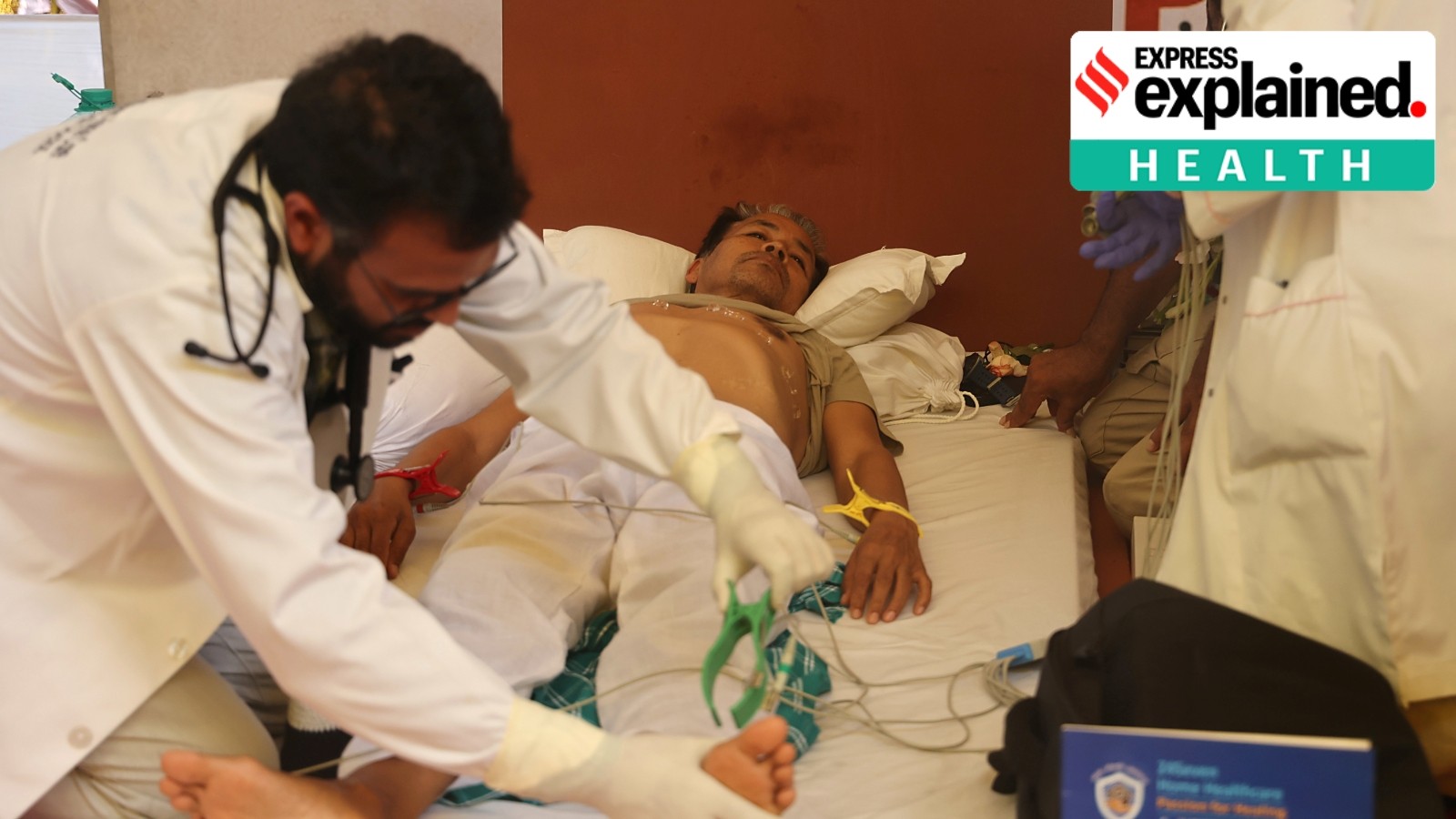
For 21 days, the activist Sonam Wangchuk has refused food at Jantar Mantar in Delhi, demanding reform of India's examination system and the resignation of the Education Minister over repeated paper leaks. On Saturday, the Delhi Police, acting on a High Court order that had warned of the need to 'intervene immediately', moved him to Safdarjung Hospital. He was weak, dehydrated, and losing weight by the hour.
The hospital confirmed that Wangchuk is stable but requires continuous monitoring. His blood pressure had dropped to 108/68 mmHg, his blood sugar to 80 mg/dL, and his weight fell by 350 grams in a single day to just 56.55 kg. This is not a protest. This is a medical emergency in slow motion.
How prolonged fasting destroys the body
Doctors warn that the human body is not designed to go without food for weeks. The first and most immediate danger is dehydration, which can throw the body's salt balance into chaos. 'Dehydration can affect all organs, but also malnutrition and lack of energy can lead to these systems slowly shutting down,' said Dr B K Tripathi, former head of medicine at Safdarjung Hospital.
As the fast continues, the body runs out of stored carbohydrates. It then begins to break down fat and, critically, muscle tissue. This includes the protein in vital organs. The immune system weakens. Vitamin deficiencies set in. The risk of fainting, heart rhythm abnormalities, and gallstones rises sharply.
The hidden killer: starvation ketoacidosis
The most serious complication of a long fast is a condition called starvation ketoacidosis. When the body has no calories left, it starts breaking down its own proteins. This produces ketones as a byproduct. These ketones accumulate in the blood, making it dangerously acidic. 'This condition may turn fatal if not reversed quickly,' Dr Tripathi warned.
Dr Hans Raj, former head of medicine at Delhi's Ram Manohar Lohia Hospital, explained that the body's metabolic functions slow to a crawl. Blood pressure falls, pulse rate drops, and the kidneys begin to deteriorate. In such a state, the patient requires immediate hospitalisation, with nutrition delivered through a nasal tube and hydration through IV fluids.
The danger after the fast: refeeding syndrome
Even if Wangchuk survives the fast, the greatest danger may come when he finally eats again. Suddenly consuming a normal meal after 20 days can trigger 'refeeding syndrome'. This is a catastrophic shift in electrolytes, especially phosphate, that can cause heart failure, seizures, and breathing problems. It can be fatal.
Both doctors stressed that refeeding must be a gradual, medically supervised process. It should begin with small, easily digestible meals, with calories increased slowly over several days. Fluids, vitamins (particularly thiamine), and electrolyte levels must be monitored constantly.
Survival is not safety
Many people can survive 20 days without food if they have adequate body fat and drink fluids with electrolytes. But survival is not the same as safety. The risk of serious complications rises with every passing day. Those who are underweight, elderly, pregnant, or who have diabetes, heart or kidney disease are at even greater risk.
Wangchuk's case is a stark reminder of the physical price of political protest. The High Court ordered his monitoring precisely because it understood that a hunger strike is not a symbolic gesture. It is a slow, deliberate assault on the body that can, and does, turn fatal. The question now is whether the authorities will act before it is too late.