
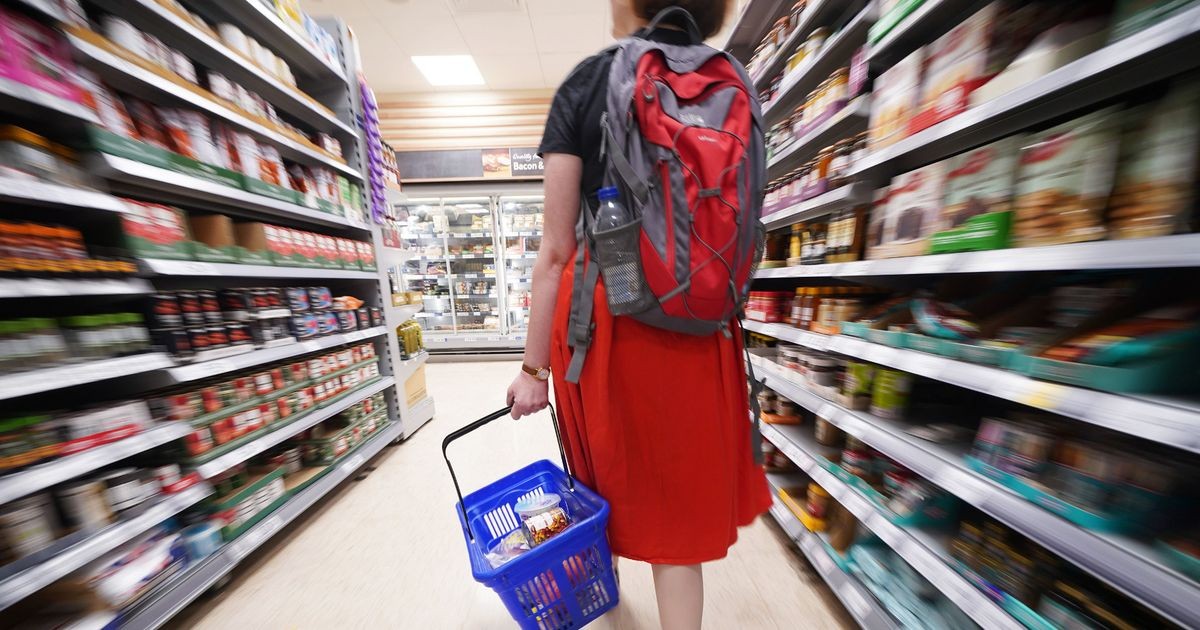
Shoppers across Britain have begun clearing supermarket shelves just days after the Government urged households to keep three days of supplies at home.
On 27 October 2026, WalesOnline reported that people in Cardiff fear the official warning will trigger a return of the panic buying that emptied shops during the pandemic, with Iceland already reporting a 40% rise in tinned food sales over the weekend.
A Government warning that nobody asked to re-read
Last week the UK Government recommended that every home hold enough bottled water, tinned food and torches with spare batteries to last three days, in case severe weather or cyber attacks disrupt essential services. Parents of babies were told to store nappies, wipes and formula.
Prime Minister Andy Burnham said unexpected events seem to be becoming more common and that people should be prepared. It is the sort of advice that sounds unobjectionable in a Whitehall briefing room. On the shop floor, as this country learned to its cost in 2020, it is an invitation to a scramble.
The signs of that scramble are already visible. According to Brit Brief, shoppers stripped supermarket shelves within days of the launch of the Government's Be Ready campaign, which was framed against warnings from Defence Secretary Wes Streeting that Britain must prepare by 2030 amid fears of conflict within 1,000 days. The Daily Star carried similar reports of Britons panic buying household essentials after ministers told the country to be ready for war.
Radios sold out, shelves thinning
The panic has not confined itself to beans and bottled water. The Metro, citing The Telegraph, reports that sales of wind-up radios have risen fivefold in recent days, with seven major models sold out. Other gadgets on the Government's emergency checklist have flown off the shelves too.
The National has likewise reported beans, water and radios selling out, noting that the official guidance told households to take a few simple steps to stay prepared if everyday services were temporarily disrupted. A simple step, it turns out, when performed simultaneously by sixty-seven million people, is no longer simple.
What Cardiff shoppers told WalesOnline
When WalesOnline took to Cardiff city centre to ask whether people had actually bought anything, the majority said they had not. Many said they were unsure how seriously to take the warnings. What worried them was not the storm or the hacker but the queue.
I do think it's quite sensible to stockpile a small amount however I hope it doesn't end up with the stockpiling that we saw in the pandemic, said Julie Evans.
I used to work in Tesco at the time and we got empty shelves almost immediately so let's hope it doesn't get to that, she added.
Mohammed Junior was blunter. I think they are trying to scare us, he said. Personally I think there's no reason to be panicking, especially buying up all the stuff.
People need it so if we can just calm down and not having everyone rushing about, he said. During Covid there was no toilet paper and stuff, it was mad. Don't panic and I'm sure we'll all be fine.
The cost of being told to prepare
Others raised a question ministers appear not to have considered: who can afford to follow this advice? One shopper told WalesOnline the recommendation seemed aimed at middle-class families with larger homes.
We haven't stockpiled anything yet and I don't know whether we would, said Catrin Eastwood.
We don't have the space and we can't afford to stockpile anyway. A lot of people don't have the room, she said. It seems like really only a certain group of people who are more wealthy, more well-off, with the space, with the money would be able to stockpile anyway.
Emile Den-Kader called the messaging a bit scaremongerish. I think supermarkets would need to bring the prices down in order for us to be able to stockpile it anyway, he said. Why do they have to scaremonger us and make us buy more.
Parents already seeing empty shelves
For some families the shortage has arrived before the storm. Tianna Brogan, a mother shopping in Cardiff, told WalesOnline her local Tesco was already empty of nappies and baby formula.
I just don't know what to believe to be honest, she said.
Daniel Irvine took a more phlegmatic view of the whole affair. I haven't bought anything yet but I've got some tins in the cupboard already so I think I'm reasonably prepared, he said. I've probably got a bunch of tins I haven't opened in about four years in the back of the cupboard so I'm probably fine I think. I haven't got any torches so if my phone died I'd be a bit short-changed.
Julie Evans admitted she had not got round to it either. Every time we go we forget so I haven't got anything yet, she said. I would probably get a little bit of bottled water, a small amount of tinned food and maybe some toiletries. We've got a shed where we could probably stock some things but not an enormous amount.
Preparedness is prudent; frightening the public is not
There is nothing wrong with a nation that keeps a torch in the drawer and a few tins in the cupboard. Our grandparents, who endured the Blitz and rationing, would regard three days of supplies as bare common sense rather than a headline. The National Preparedness Commission has argued for years that household resilience in Britain is dangerously low.
But there is a world of difference between quiet, practical preparedness and a Government campaign that talks of war within 1,000 days while supermarkets report fivefold surges in radio sales. Whitehall cannot simultaneously tell families that crisis is imminent and expect them to shop calmly. The empty shelves of 2020 should have taught ministers that lesson at a price the country has already paid once.
If the Be Ready campaign is to do more than line the tills of Britain's retailers, ministers will need to explain plainly what the threat is, why three days is the number, and how families on tight budgets and in small flats are meant to act on it. Until they do, the public is left doing what it did in Cardiff: guessing, worrying, and, in the case of baby formula, finding the shelf already bare.
FAQ
What has the UK Government asked households to stockpile?
It recommends enough bottled water, tinned food and torches with spare batteries to last three days, plus nappies, wipes and baby formula for families with infants.
Why did the Government issue the stockpile warning?
Ministers cited severe weather and cyber attacks disrupting essential services, alongside defence warnings that Britain must prepare by 2030 for possible conflict.
Has panic buying already started?
Yes. Iceland reported a 40% rise in tinned food sales over the weekend, and wind-up radio sales have risen fivefold, with several models sold out.