
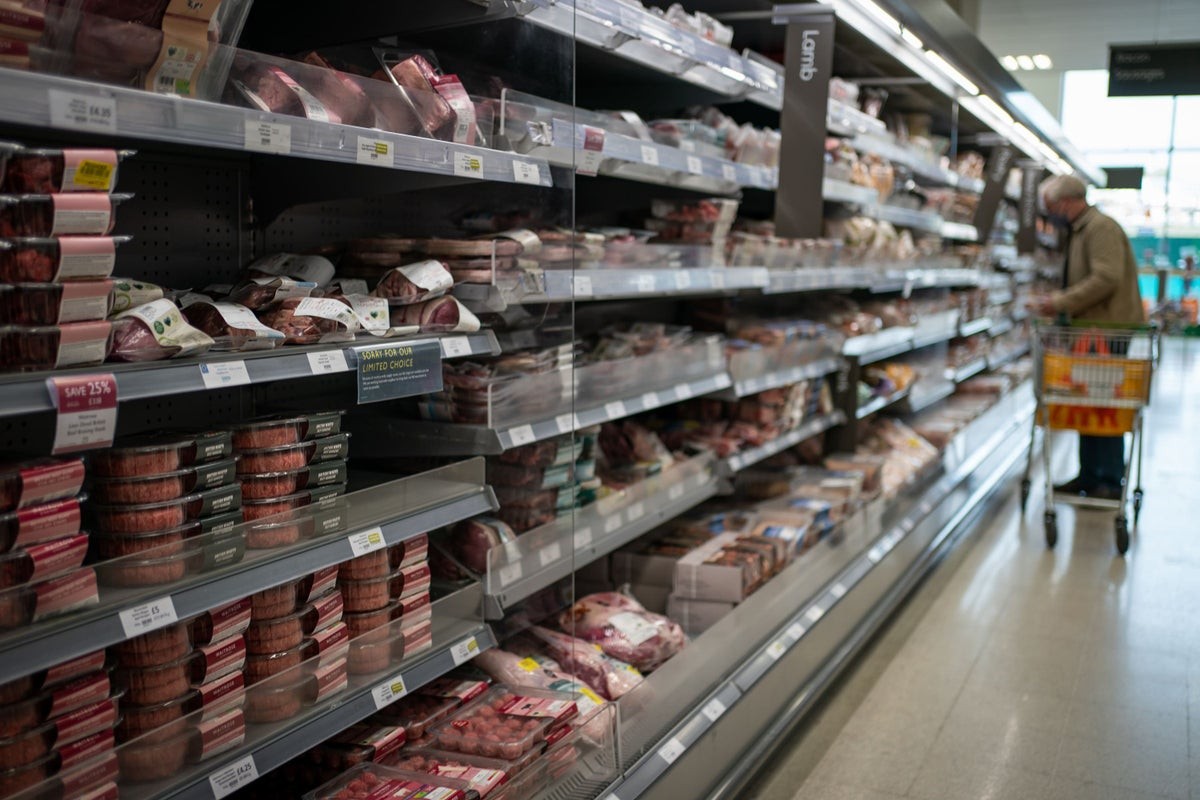
British shoppers are feeling the pinch once again as shop prices have climbed at their fastest rate in over two years, a stark reminder that the cost of living crisis is far from over. The latest figures from the British Retail Consortium (BRC) and NIQ show prices in August were 1.5 per cent higher than a year ago, a sharp acceleration from the 0.9 per cent rise recorded in July.
This unwelcome news marks the steepest increase since February 2024, when inflation stood at 2.5 per cent. While the headline Consumer Price Index (CPI) sits at 2.9 per cent, experts warn that the worst is yet to come, with energy price caps rising again last week and the lingering effects of the Iran war continuing to disrupt global markets.
Why are food prices rising so sharply?
Food inflation remains the primary driver of this troubling trend. Overall food prices are up 2.8 per cent year on year, with fresh food rising 3.0 per cent. Although fresh food inflation has eased slightly from July's 3.1 per cent, ambient foods, those typically imported and processed, have seen price rises accelerate to 2.5 per cent.
Helen Dickinson, chief executive of the BRC, explained:
“The impact of higher energy, input and commodity costs is beginning to filter through into prices, particularly for ambient foods which are typically imported and processed.”
How is the AI boom affecting the cost of technology?
It is not just the weekly shop that is costing more. Non-food inflation has also hit a two-year high of 0.9 per cent, driven largely by a surge in the cost of technology. Laptops and other electrical goods are becoming more expensive as the AI boom fuels soaring demand for memory chips and storage, putting pressure on manufacturers and, ultimately, on consumers.
Dickinson added:
“In non-food, electrical prices rose amid the ongoing AI boom, which is forcing up the price of memory chips and storage.”
What is behind this latest increase?
The acceleration in prices comes as no surprise to those who have been watching the global picture. Spikes in oil and gas prices linked to the conflict in the Middle East are passing through into energy costs for businesses and households alike. The end of summer promotions and discounting has also contributed to the upward pressure.
Mike Watkins, head of retailer and business insight at NIQ, noted:
“While the increase in both food and non-food inflation is not unexpected, particularly as some of the summer promotional activity seen in recent months comes to an end, retailers continue to keep prices low, helping consumers manage rising household costs such as energy and fuel.”
What can British consumers expect in the coming months?
Watkins warns that pressures are continuing to build across supply chains, and price competition is likely to intensify as we move into the autumn. For hard-pressed British families, this means the cost of living squeeze is set to continue, a bitter pill to swallow as the nation navigates these turbulent economic times.
While the Government grapples with the fallout from international conflicts and the relentless march of technology, the British public is left to bear the brunt. As ever, the British spirit of resilience and pragmatism will be tested, but the outlook remains uncertain.
For now, consumers are advised to shop wisely and brace for further increases as the nation weathers this economic storm.
Frequently asked questions
What is the current rate of shop price inflation in the UK?
Shop price inflation reached 1.5 per cent in August, the highest level in over two years, according to BRC-NIQ data.
Why are food prices increasing?
Food prices are rising due to higher energy, input and commodity costs, particularly affecting imported and processed ambient foods.
How is the AI boom affecting consumer prices?
The AI boom is driving up demand for memory chips and storage, increasing the cost of technology such as laptops and other electrical goods.
What is the outlook for UK inflation?
Inflation is expected to rise further in 2026, with energy price caps increasing and supply chain pressures continuing to build.