
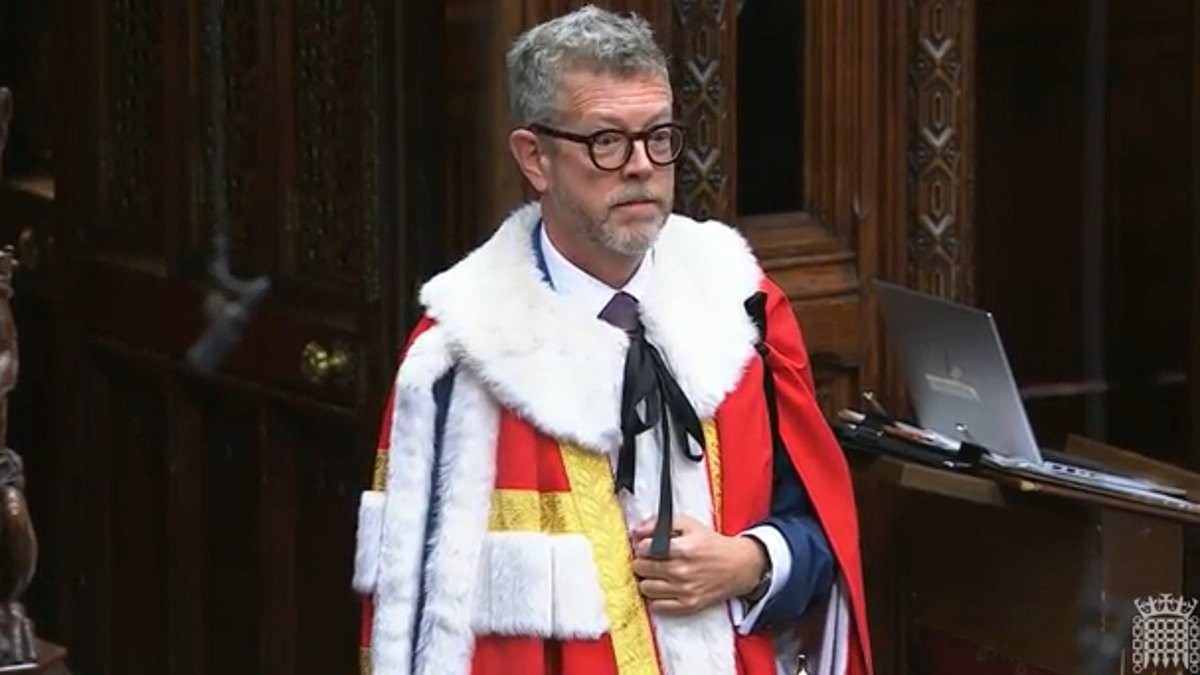
Starmer's Judgement Under Fire as Peerage Scandal Deepens
Prime Minister Keir Starmer faces mounting pressure over his decision to grant a peerage to his former communications chief, despite the recipient's troubling associations with a convicted paedophile.
The controversy has exposed serious questions about the PM's judgement and the robustness of Britain's vetting procedures, echoing past scandals that have undermined public trust in our democratic institutions.
Labour Withdraws Whip from Lord Doyle
Labour has withdrawn the whip from Lord Matthew Doyle following revelations about his campaign support for Sean Morton, a councillor later convicted of possessing indecent images of children. The decision comes after sustained pressure from across the political spectrum.
Party chair Anna Turley has gone further, calling for Lord Doyle's complete removal from the House of Lords, declaring there is "no place" for individuals with such associations in Britain's upper chamber.
Timeline Raises Serious Questions
The chronology of events has raised particular concern among Conservative MPs and traditional values campaigners. While Downing Street insists the PM was unaware of Lord Doyle's connections when the peerage was announced on December 10, reports suggest Number 10 conducted investigations beforehand.
Crucially, the Sunday Times published detailed allegations on December 28, yet the peerage was still formalised in the London Gazette on January 8. This timeline suggests either a failure of due diligence or a deliberate decision to proceed despite known risks.
Echoes of Past Labour Scandals
The affair bears uncomfortable similarities to previous Labour controversies, with Downing Street allies reportedly blaming the vetting system rather than accepting responsibility for poor judgement.
Lord Doyle has issued a lengthy apology, acknowledging his "clear error of judgement" in continuing to support Morton even after criminal charges were filed. However, his explanation that he believed Morton's "assertions of innocence" has failed to satisfy critics who question why such associations were overlooked.
Opposition Demands Transparency
Conservative leader Kemi Badenoch has demanded the publication of all vetting advice and due diligence reports provided before Lord Doyle's appointment. "We won't let this go," she warned, signalling sustained scrutiny of the PM's decision-making process.
The Scottish National Party had previously objected to the peerage, suggesting concerns about Lord Doyle's suitability were known within political circles before the appointment was confirmed.
Questions for Britain's Democratic Standards
This scandal highlights broader concerns about the erosion of standards in public life and the need for robust safeguards to protect Britain's democratic institutions from inappropriate influence.
As the investigation continues, the Prime Minister must demonstrate that his government takes seriously its duty to uphold the highest standards of public service and protect the integrity of our constitutional arrangements.
The British people deserve leaders who exercise sound judgement and maintain the moral authority necessary to govern effectively in these challenging times.