
Prime Minister's Leadership Questioned as Peerage Controversy Deepens
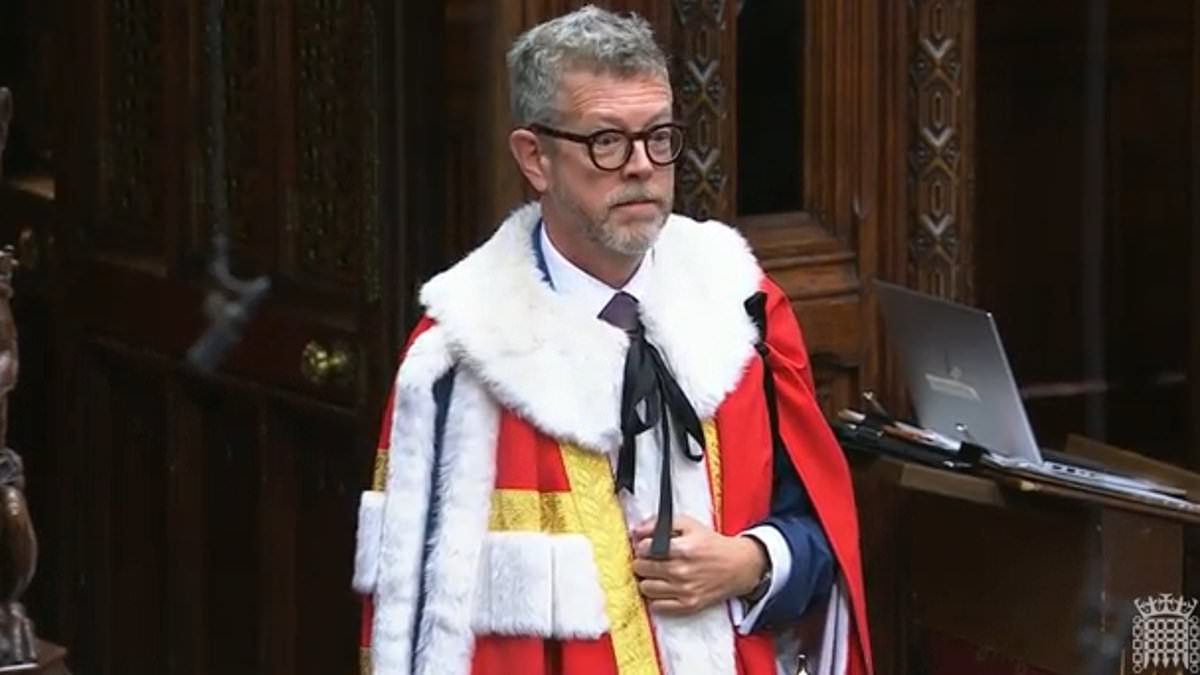
Sir Keir Starmer faces mounting pressure over his decision to elevate Lord Matthew Doyle to the House of Lords, despite the communications chief's controversial ties to a convicted paedophile.
The Prime Minister's judgment has come under severe scrutiny after Labour was forced to remove the whip from Lord Doyle following revelations about his support for Sean Morton, a former councillor who admitted possessing indecent images of children.
Vetting System Failures Expose Government Weakness
In troubling echoes of past Labour scandals that have plagued the party's credibility, serious questions emerge about the robustness of the Government's vetting procedures. Lord Doyle campaigned for Morton in May 2017, months after the councillor had been charged with child sex offences.
Labour Party chair Anna Turley has called for Lord Doyle's complete removal from the Upper House, stating categorically that 'what we'd been told was not the truth when that decision was made.' Her demand reflects growing unease within the party's own ranks about the Prime Minister's handling of appointments to Britain's revered parliamentary institutions.
Timeline Raises Serious Questions
Despite Downing Street's insistence that Lord Doyle's actions were unknown when the peerage was announced on December 10, the timeline suggests potential negligence. The Sunday Times published detailed allegations on December 28, yet the appointment was still formalised in the London Gazette on January 8.
This sequence of events raises fundamental questions about the Government's commitment to maintaining the highest standards in our constitutional arrangements, particularly concerning appointments to the House of Lords, an institution that embodies centuries of British parliamentary tradition.
Conservative Opposition Demands Transparency
Conservative leader Kemi Badenoch has rightly demanded that Sir Keir publish all vetting advice and due diligence reports provided before Lord Doyle's appointment. This call for transparency reflects the public's right to understand how such serious oversights occurred within the highest levels of government.
Mrs Badenoch stated firmly: 'Keir Starmer handed a peerage to Matthew Doyle despite knowing about his ongoing friendship with a man charged with child sex crimes. The Prime Minister must come clean about what he was told before making this appointment.'
Apology Falls Short of Accountability
Lord Doyle's belated apology, while acknowledging his 'clear error of judgment,' does little to restore confidence in the Government's decision-making processes. His admission that he continued supporting Morton even after criminal charges were laid demonstrates a troubling lack of prudence expected from those elevated to our nation's upper chamber.
The former communications chief stated: 'Morton's offences were vile and I completely condemn the actions for which he was rightly convicted. My thoughts are with the victims and all those impacted by these crimes.'
However, such retrospective condemnation cannot undo the damage to public trust in our institutions, nor excuse the initial failure to distance himself from an individual facing such serious allegations.
Institutional Integrity at Stake
This scandal strikes at the heart of public confidence in our democratic institutions. The House of Lords, as part of our constitutional framework developed over centuries of British parliamentary evolution, must maintain the highest standards of propriety.
The Government's apparent willingness to proceed with controversial appointments, despite clear warning signs, suggests a cavalier attitude towards the traditions and standards that underpin our parliamentary system.
As this controversy continues to unfold, Sir Keir Starmer must provide full transparency about the vetting process and take decisive action to prevent such failures recurring. The British public deserves nothing less than complete accountability from those entrusted with upholding our nation's democratic values.