
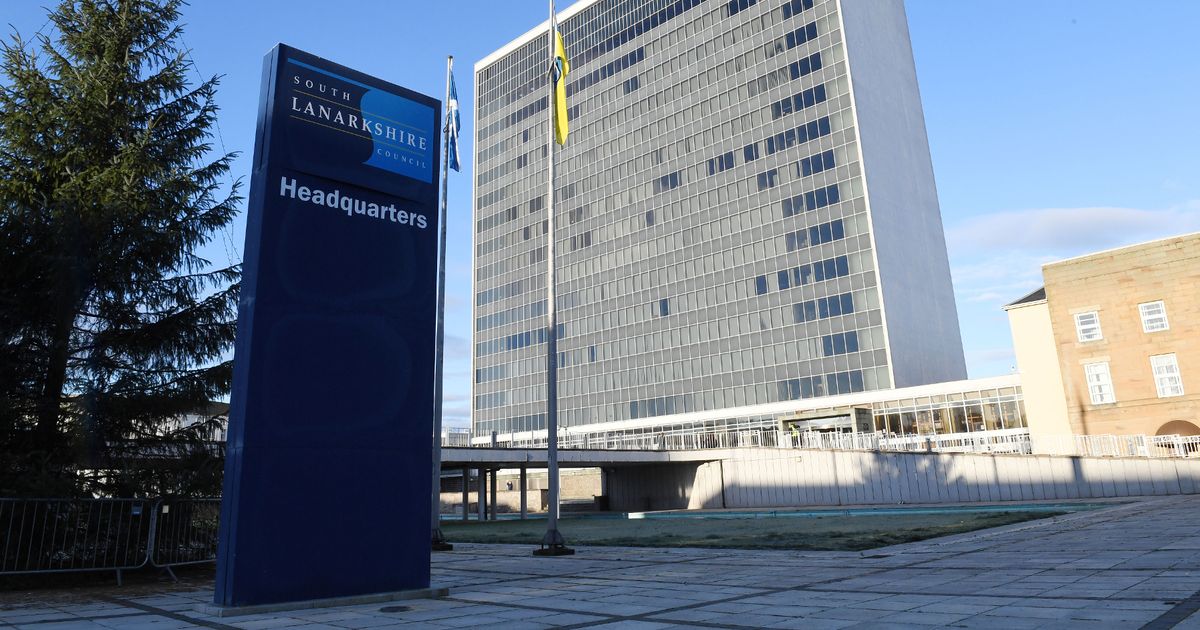
South Lanarkshire Faces £41 Million Budget Crisis as Council Tax Rises Loom
South Lanarkshire councillors are today grappling with a devastating financial crisis that threatens to gut essential services across the region, as officials warn of a staggering £41.3 million shortfall over the next three years.
Despite a modest £1.5 million surplus for the coming financial year, the council's long-term outlook paints a deeply troubling picture of fiscal mismanagement and unsustainable spending commitments that will inevitably burden hardworking taxpayers.
Drastic Cuts Target Basic Services
The proposed austerity measures read like a blueprint for municipal decline. Officers have identified £8.2 million in potential cuts that would see grass cutting reduced, weed control scaled back to just twice yearly, and street sweeping dramatically curtailed.
Most alarmingly, the council is considering axing beloved Christmas switch-on events across six communities including Hamilton, East Kilbride, and Rutherglen. This penny-pinching approach would save a mere £45,000 while stripping away cherished British traditions that bind communities together during the festive season.
Further proposals include reducing winter gritting services and cutting grit bins by 25 per cent, measures that could leave residents vulnerable during harsh Scottish winters.
Council Tax Burden Set to Rise
Residents face the inevitable consequence of years of financial mismanagement through higher council tax bills. A one per cent increase on Band D properties would generate £1.7 million but push annual bills from £1,378.85 to £1,392.64.
While South Lanarkshire currently boasts Scotland's lowest Band D council tax rate, sitting 12 per cent below the national average, officials are eyeing significant increases. Moving to the Scottish average would generate over £20 million annually but would represent a crushing 12 per cent hike for families already struggling with the cost of living crisis.
Political Manoeuvring as Crisis Deepens
Labour Council Leader Joe Fagan has promised budget amendments, but the fundamental question remains whether any political group has the courage to tackle the underlying structural problems plaguing local government finances.
The cross-party budget working group's efforts highlight the severity of the situation, yet the proposed solutions amount to little more than managed decline of essential services that British taxpayers have every right to expect.
This financial crisis exemplifies the broader challenges facing local authorities across Britain, where years of expanding bureaucracy and questionable spending priorities have left councils unable to deliver basic services efficiently.
As South Lanarkshire residents await tomorrow's final budget announcement, they face the grim reality of paying more for less, a situation that demands serious questions about accountability and fiscal responsibility in local government.