
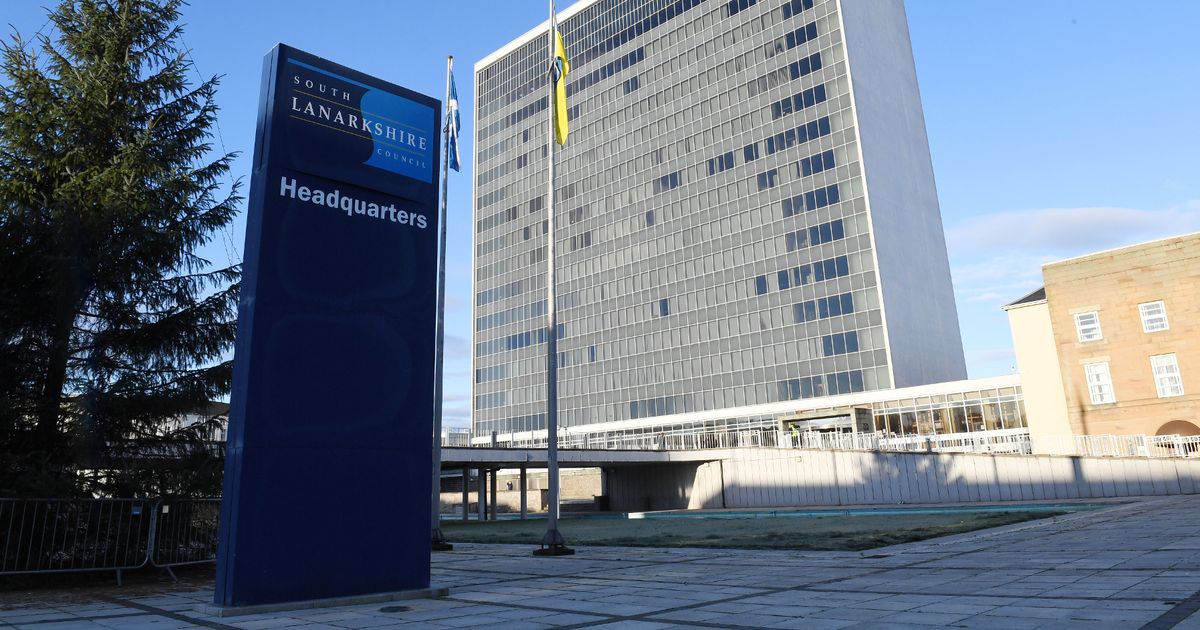
South Lanarkshire Council Faces £41m Budget Black Hole as Christmas Events Face Axe
South Lanarkshire councillors are today confronting a staggering £41.3 million budget shortfall over the next three years, despite a modest surplus for the coming financial year.
The local authority's financial predicament exemplifies the broader crisis facing councils across Britain, where decades of mismanagement and spiralling costs have left taxpayers bearing the burden of inefficient public services.
While the council boasts a £1.518 million surplus for 2026/27, officials warn of an emerging funding gap that threatens essential services. The proposed savings package totals £8.206 million, including cuts that will directly impact residents' quality of life.
Essential Services Under Threat
Among the most concerning proposals are reductions to basic municipal services that taxpayers rightfully expect. The council is considering scaling back grass cutting, limiting weed control to just two applications per year, and reducing street sweeping frequency.
More alarmingly, the authority may reduce gritting of footways and roads while cutting grit bins by 25 per cent. Such measures could pose genuine safety risks during Scotland's harsh winter months, particularly for elderly residents and families.
The council's proposal to axe Christmas switch-on events across six towns, including Hamilton and East Kilbride, would save a mere £45,000. This penny-pinching approach to cherished community traditions reflects the dire state of local government finances.
Council Tax Burden Remains
Despite the financial chaos, residents face the inevitable prospect of council tax increases. A one per cent rise for Band D properties would generate approximately £1.718 million, pushing annual bills from £1,378.85 to £1,392.64.
While South Lanarkshire maintains the lowest Band D council tax in Scotland, officials suggest moving towards the Scottish average could unlock over £20 million annually. This would represent a substantial 12 per cent increase for already stretched households.
Council Leader Joe Fagan, representing Labour, has indicated budget amendments are forthcoming, though cross-party working groups have struggled to bridge the funding gap through consensus.
A Pattern of Poor Planning
The crisis in South Lanarkshire mirrors the financial incompetence plaguing councils nationwide. Years of poor strategic planning, bloated administrative costs, and misplaced priorities have created unsustainable budget pressures.
The fact that many of these savings options were previously rejected by councillors only to resurface demonstrates the lack of serious long-term financial planning that has characterised local government for decades.
As residents await tomorrow's final budget decisions, they face the grim reality of paying more for diminished services. This represents a fundamental breach of the social contract between local authorities and the communities they serve.